 Skip to content

GNSS Antenna for Autonomous Driving
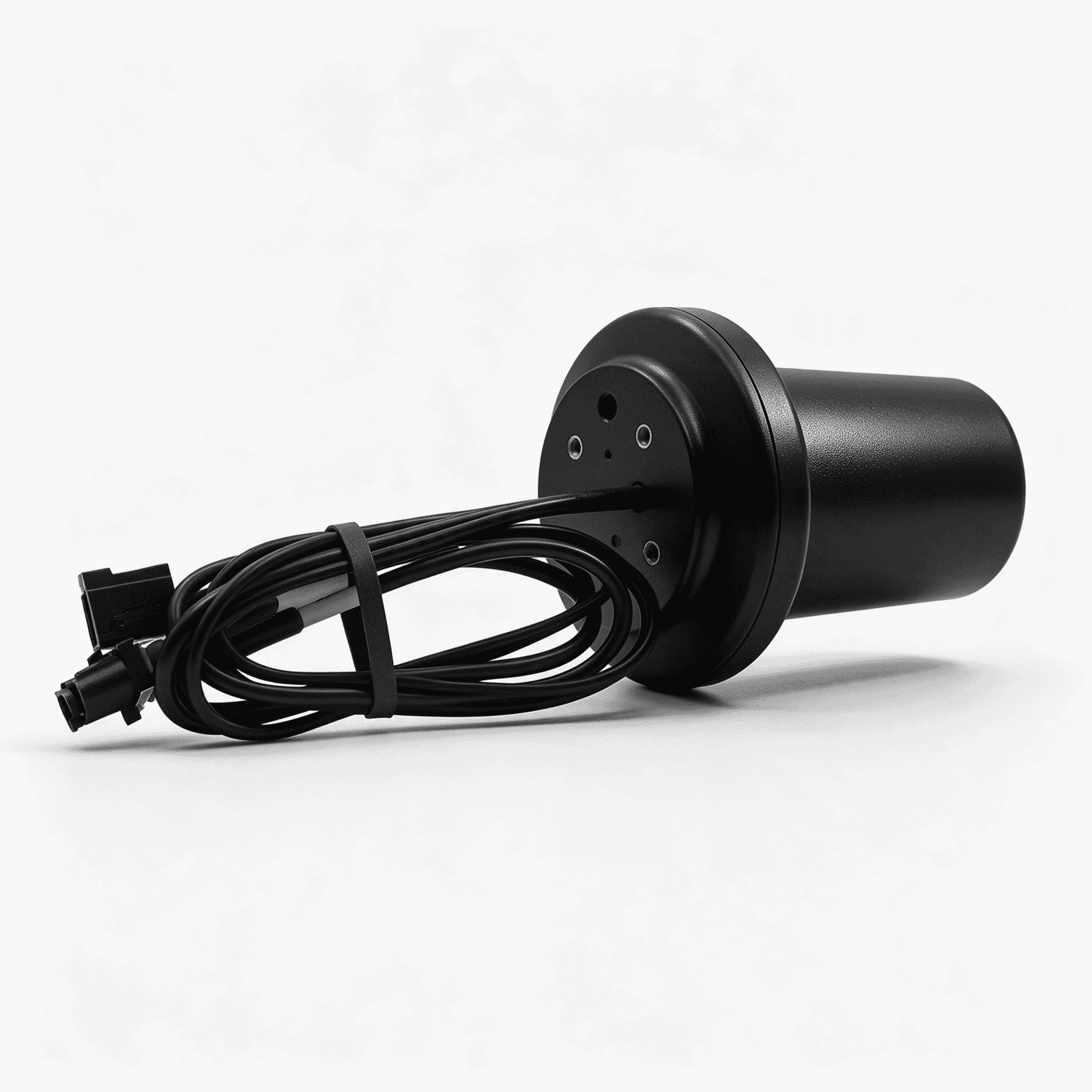
Our GNSS antenna for autonomous driving receives BDS, GPS, GLONASS and Galileo signals to deliver the stable, high-precision positioning that robotaxis, autonomous buses, autonomous trucks and unmanned delivery vehicles depend on. Paired with 4G/5G RTK correction data, it supports centimeter-level absolute positioning for intelligent connected vehicles.
- Multi-constellation reception: BDS, GPS, GLONASS and GALILEO
- Built for RTK high-precision positioning and sensor fusion
- Highly reliable vehicle-mounted design for all-weather operation
- OEM / ODM support for intelligent driving programs
Intelligent Driving Needs a Precise Compass
Intelligent driving is a strategic emerging industry that combines the industrial revolution with artificial intelligence. It is a key technology for easing traffic congestion and will greatly improve production and transportation efficiency.
High-precision positioning is one of the core technologies of intelligent connected vehicles. A high-precision GNSS antenna receives satellite signals, while 4G/5G antennas receive RTK differential data from a ground-based augmentation system. The RTK algorithm in the GNSS positioning chip then removes errors in the data link, producing centimeter-level, and even millimeter-level, absolute positioning.
As a leading provider of intelligent connected vehicle antenna solutions, we work with OEMs and industry partners to develop high-precision, high-performance and highly reliable vehicle-mounted antennas for intelligent driving.
Key Features of Our GNSS Antenna for Autonomous Driving
Engineered around six design concepts for demanding intelligent connected vehicle applications.
High Precision
Stable multi-system satellite signals provide the absolute positioning input for RTK centimeter-level accuracy.
Antenna Integration
Combine GNSS and communication functions to reduce the number of antennas on the vehicle.
System Integration
Designed to work with RTK modules, 4G/5G links and high-precision fusion positioning systems.
Conformal Design
Shaped to blend with the vehicle body while keeping reliable satellite reception.
Body Integration
Supports integrated installation for passenger vehicles, commercial vehicles and RSUs.
Miniaturization
Compact antenna structures that fit tight roof and sensor-module layouts.
High-Precision Positioning Empowers Intelligent Connected Autonomous Driving
An Intelligent Connected Vehicle (ICV) integrates the Internet of Vehicles with intelligent vehicles. Advanced sensors, controllers and actuators, plus modern communication and network technology, enable information exchange among vehicles, people, roads and the back end, for safe, comfortable, energy-efficient and efficient driving.
Absolute positioning from the GNSS antenna is fused with relative positioning from LiDAR, millimeter-wave radar and cameras, and combined with high-precision maps. The result is all-weather, full-scenario positioning support for vehicle autonomous driving.
Talk to an Antenna Engineer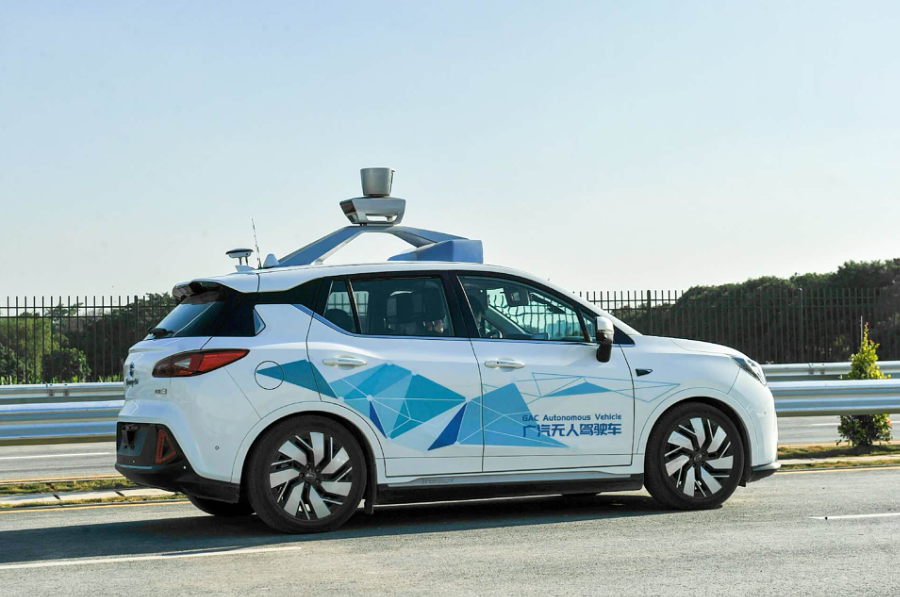
Where Our Autonomous Driving Antennas Are Used
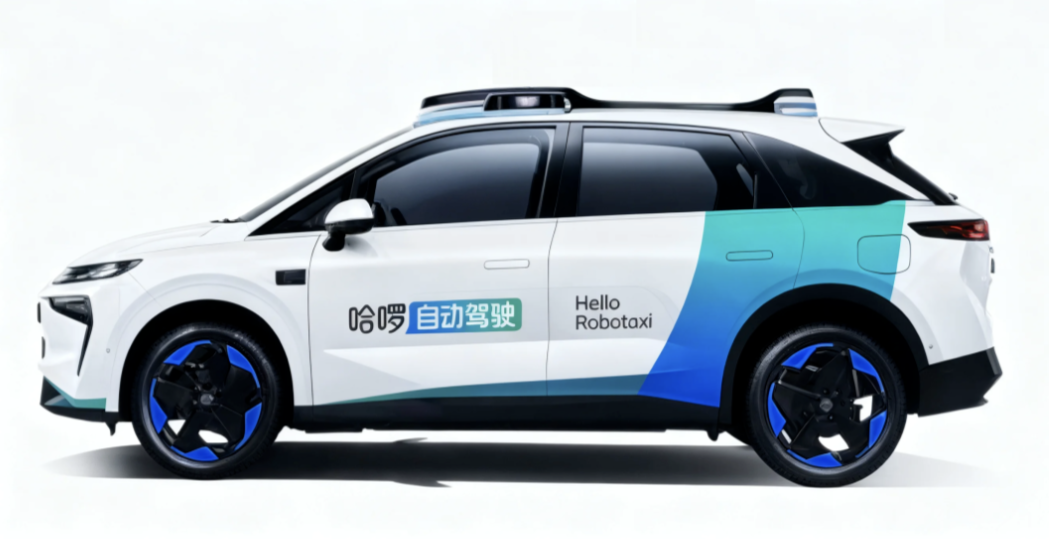
Our products are widely used in intelligent driving scenarios and we cooperate closely with major automotive OEMs and intelligent driving solution providers.
Robotaxi
Reliable positioning for urban driverless ride-hailing fleets.
Autonomous Bus
Stable guidance for shuttle and public transport routes.
Autonomous Truck
Precise localization for logistics and commercial vehicles.
Unmanned Delivery
Compact positioning for low-speed operation vehicles.

Robotaxi at Guangzhou Airport
Airport and urban environments challenge satellite reception with buildings, structures and heavy traffic. A high-precision GNSS antenna, combined with RTK correction and sensor fusion, keeps the vehicle's absolute position dependable in these scenes.
- Passenger vehicles and commercial vehicles
- RSUs and low-speed operation vehicles
- OEM and aftermarket installation
How to Choose a GNSS Antenna for Autonomous Driving
A step-by-step guide to match the antenna to your vehicle program.
Confirm Vehicle Type
Passenger car, bus, truck, RSU or low-speed delivery vehicle each has different mounting space and environment.
Confirm Constellations
Choose multi-constellation support for BDS, GPS, GLONASS and GALILEO for better availability.
Plan the RTK Link
Confirm 4G/5G antenna needs for receiving ground-based augmentation differential data.
Define Integration Level
Decide between a standalone antenna, a combined antenna or a body-integrated design.
Check Installation
Confirm roof position, cable routing, connector type and size limits with your OEM design team.
Request Customization
Share your drawings and requirements for OEM / ODM antenna development and samples.
Three Major Antenna Product Series
From intelligent driving to smart cockpit and communication, our antennas provide stable, reliable satellite signals and solve positioning challenges across vehicle applications.
| Series | Best For | Main Advantage |
|---|---|---|
| Intelligent Driving Antennas | Robotaxi, autonomous bus, truck, delivery | High-precision GNSS positioning for autonomous driving |
| Smart Cockpit Antennas | Passenger vehicle interaction and connectivity | Integrated, compact in-vehicle design |
| Communication Antennas | 4G/5G data transmission, RSUs, Internet of Vehicles | Reliable links for RTK data and vehicle communication |
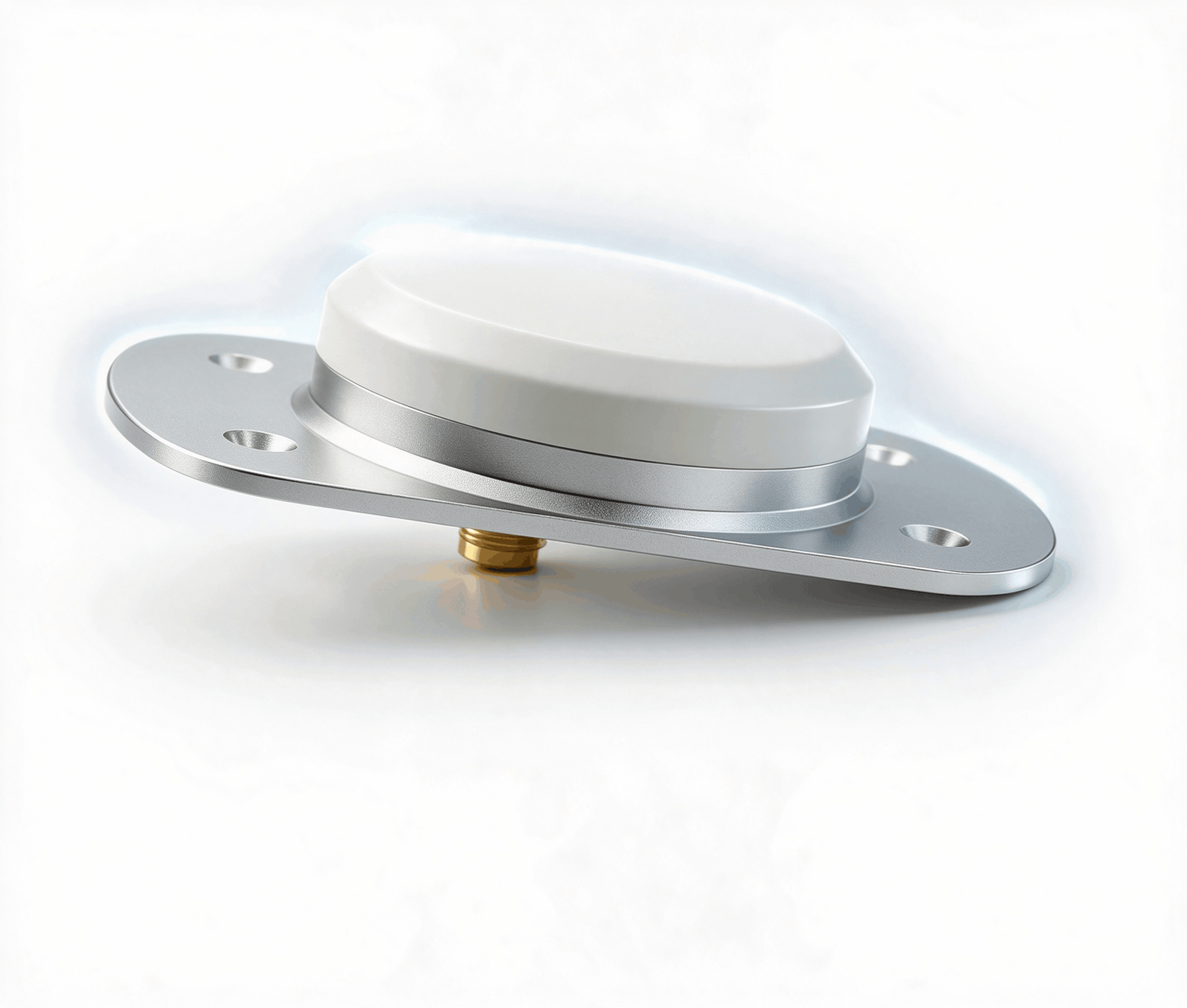
Our antennas are widely used in OEM and aftermarket intelligent connected and integrated vehicle positioning and communication, empowering vehicle positioning, data transmission and intelligent interaction.
 Aviation Antenna
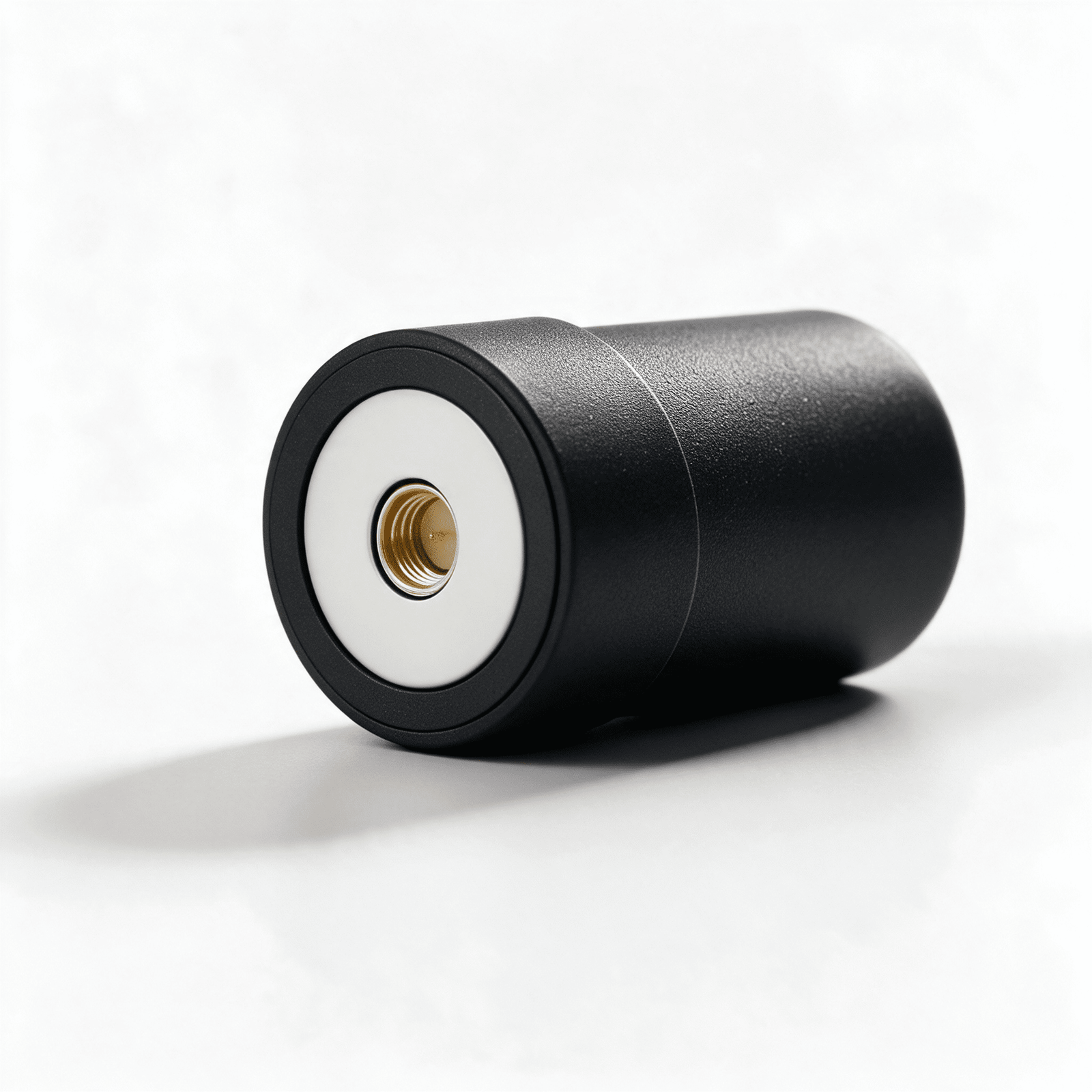 UAV Antenna
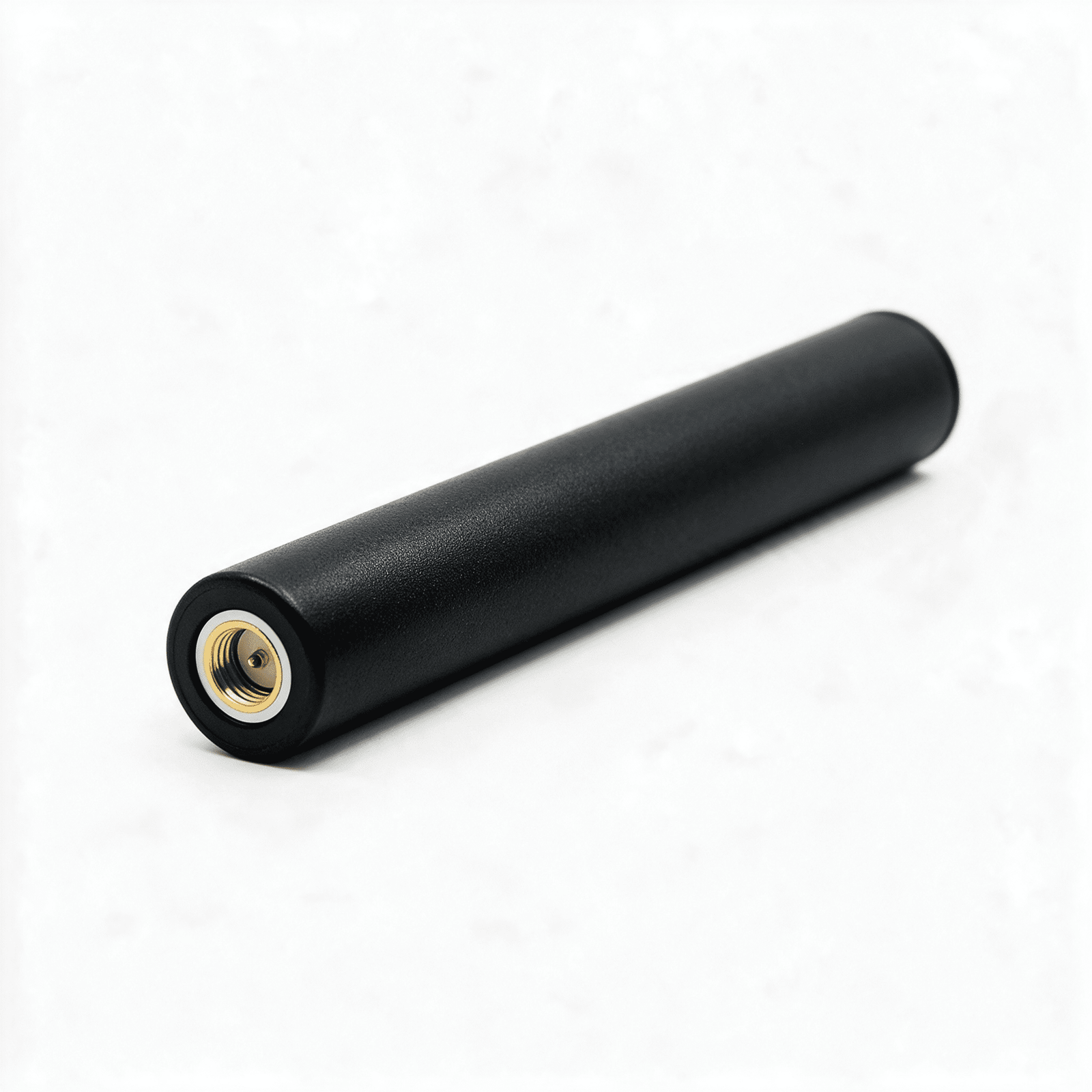 Handheld Antenna
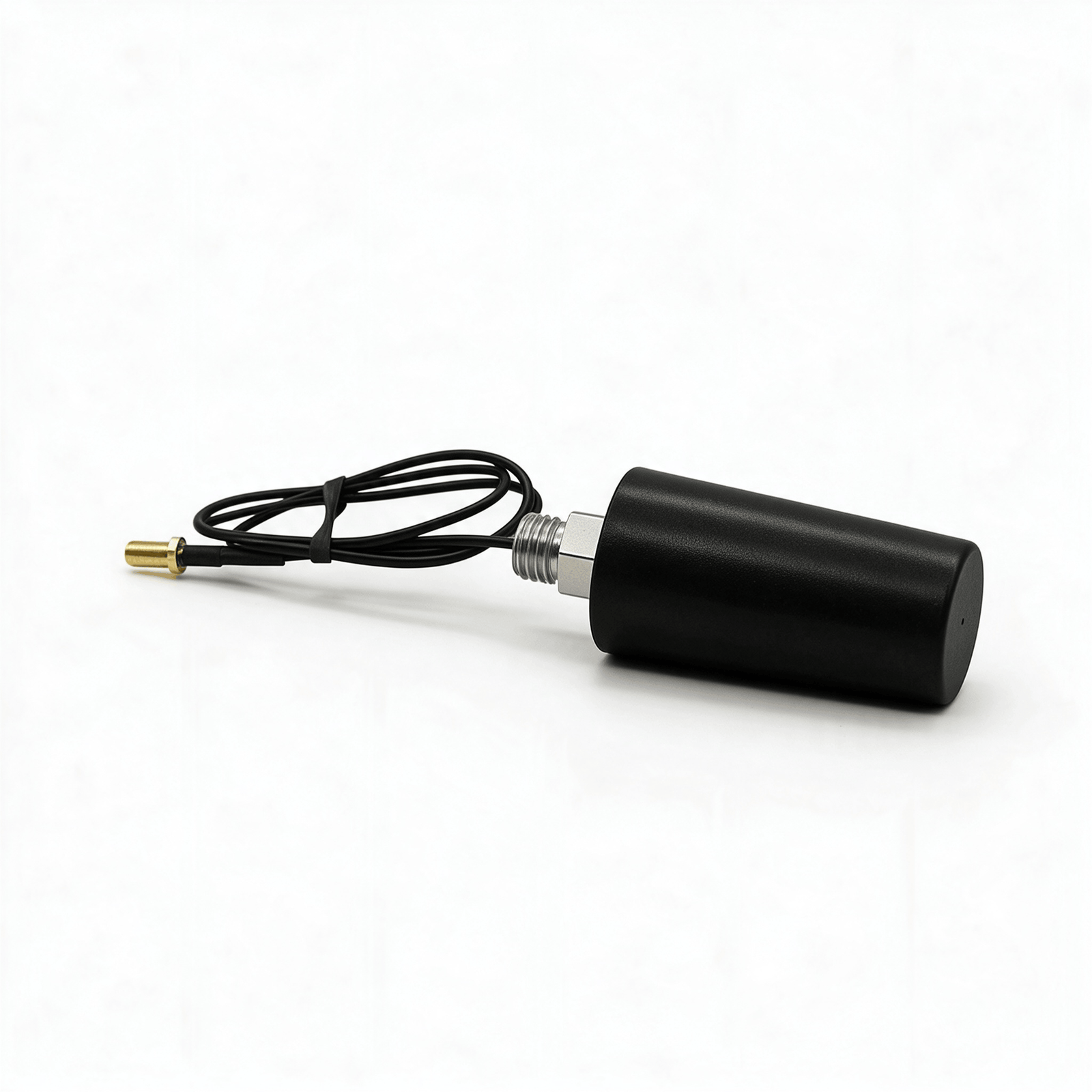 Vehicle Antenna
FAQ About GNSS Antennas for Autonomous Driving
Why do autonomous vehicles need a GNSS antenna?
The antenna receives satellite signals that give the vehicle its absolute position. This is fused with LiDAR, millimeter-wave radar, camera data and high-precision maps to provide all-weather, full-scenario positioning.
Which satellite systems are supported?
High-precision antennas for autonomous driving receive signals from four global systems: BDS, GPS, GLONASS and GALILEO.
How is centimeter-level accuracy achieved?
The GNSS antenna receives satellite signals, and 4G/5G antennas receive RTK differential data from a ground-based augmentation system. The RTK algorithm in the positioning chip then eliminates errors in the data link.
What vehicles can use your antennas?
Robotaxis, autonomous buses, autonomous trucks, unmanned delivery vehicles, passenger and commercial vehicles, RSUs and low-speed operation vehicles.
Do you support OEM / ODM customization?
Yes. We cooperate with automotive OEMs and intelligent driving solution providers. Contact us with your drawings and requirements for a tailored antenna solution.
Need a GNSS Antenna for Autonomous Driving?
Talk to our antenna engineers about intelligent driving antenna selection, OEM/ODM customization and bulk pricing.
Contact Us Today